
Tapestry thinking (1): beginnings
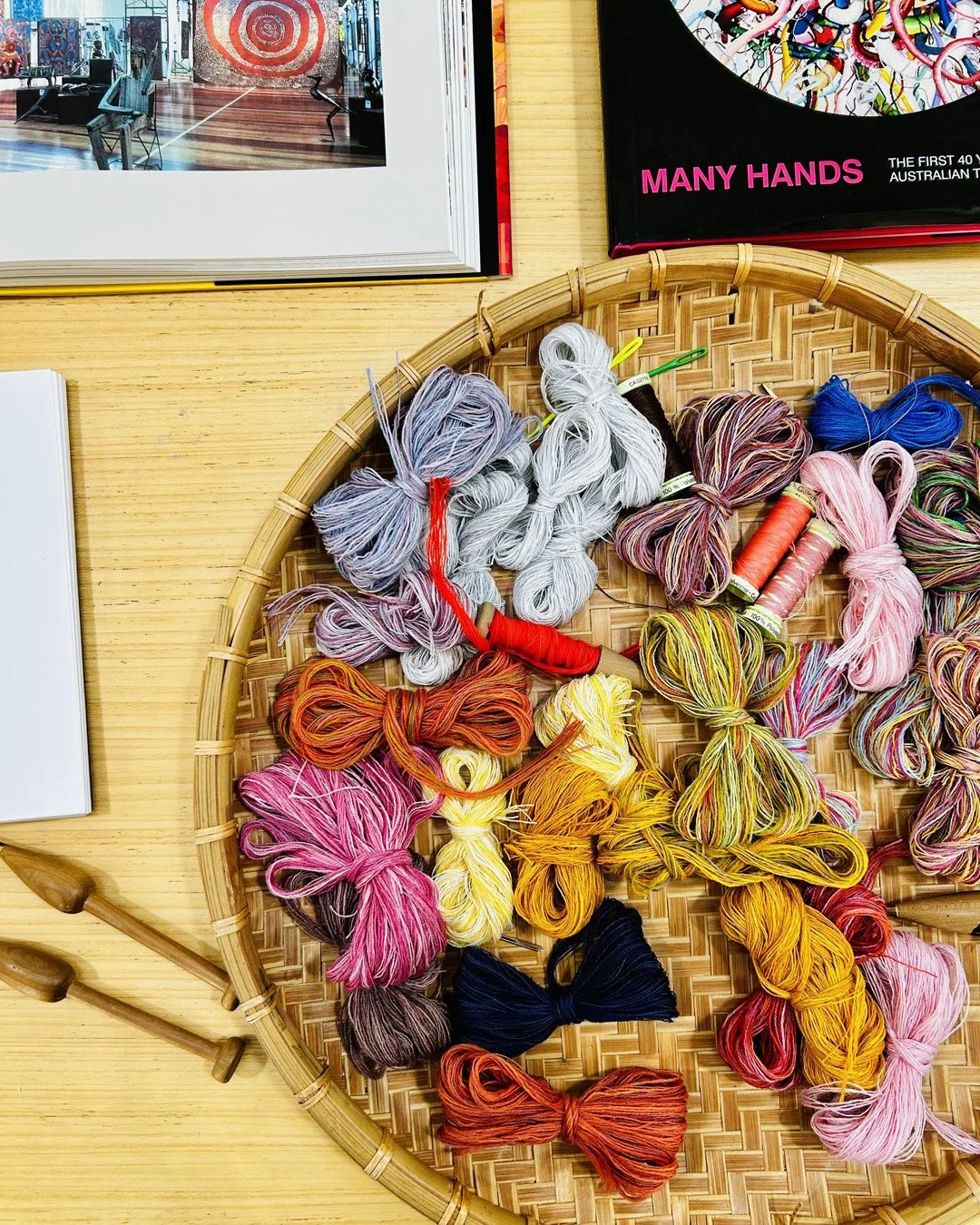
I began my invitational artist residency at Australian Tapestry Workshop this week…
I am SO EXCITED…
My brief for this residency is deceptively simple: spend some time learning tapestry techniques and then apply these techniques to create my own tapestry designs.
But this description doesn’t really map the level of IMPACT I think this experience will have on my practice.
One of the awesome things about a residency like this; where you get to work with experts in another field; is the opportunity to take on a completely new perspective.
You have the incredible opportunity to be guided by masters, to learn some of what they know, and some of how they make, but also, you get to (start to) THINK how they think, through the medium of that art form.
Each art form has its own qualities, demands and constraints. There are rules that can be learned (and then stretched and broken) and things that can be easily achieved; natural ways the form wants to behave that shape what you can create from it. These rules of engagement, in turn, shape your thinking.
And I want to (begin to) learn how to think in tapestry.
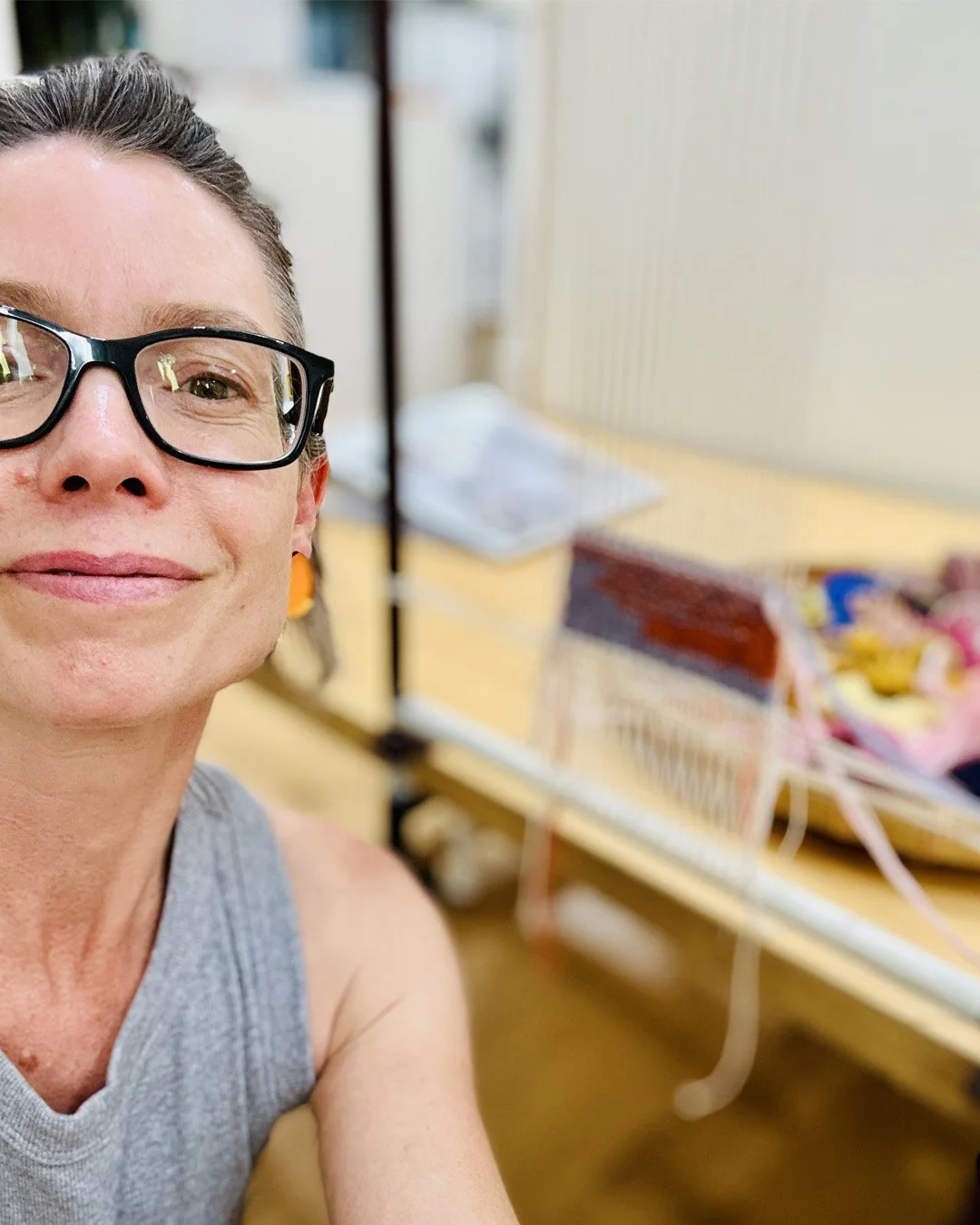
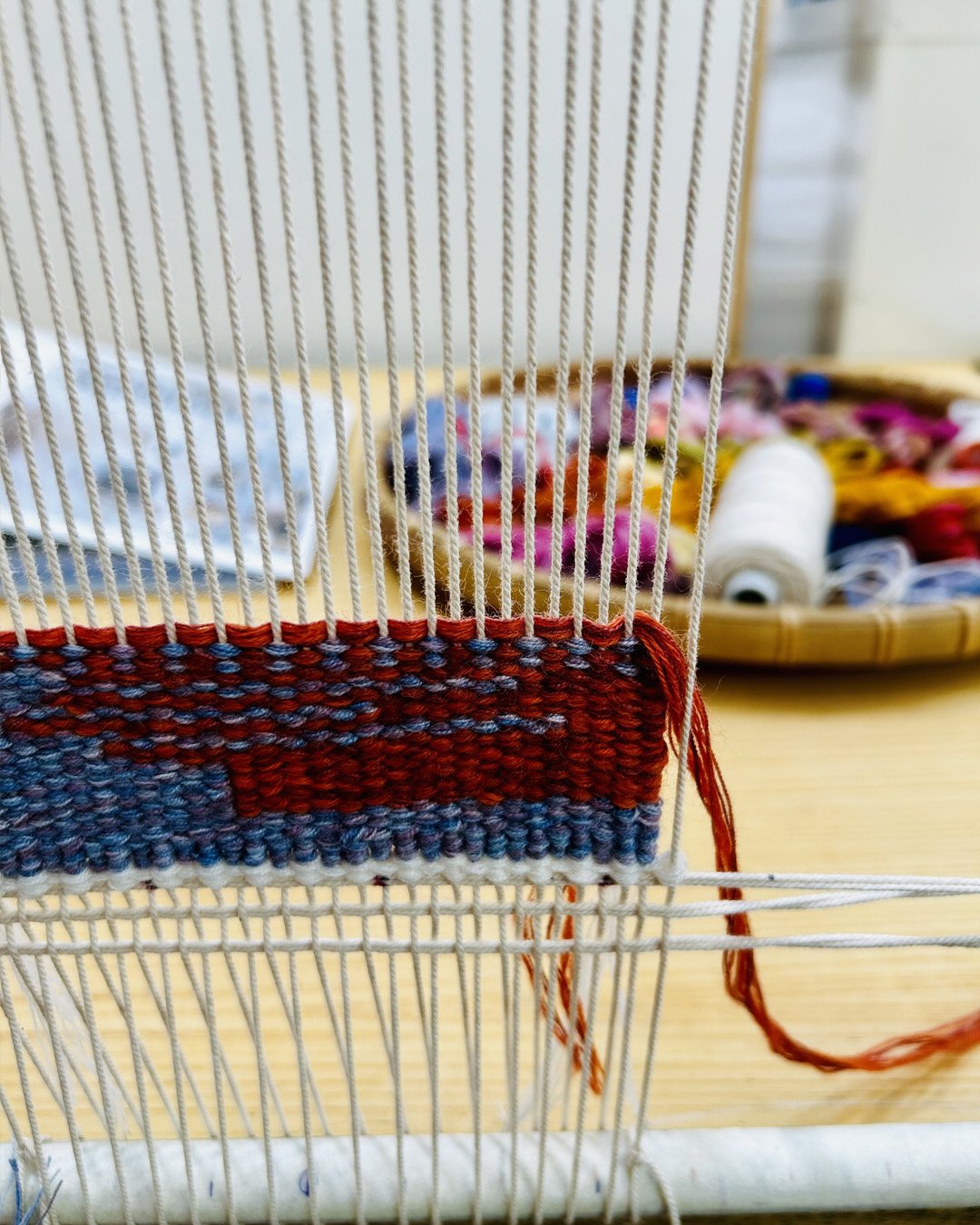
For me, inhabiting this process, and through that, this THINKING, is the good part. And this is also the transferrable knowledge, those aspects of process that define tapestry, but could also apply equally to stitching.
I don’t know that I want to become an all-out tapestry artist (but…who knows…?) but I DO know that there is so much to learn here about these tapestry ways of thinking that I can adapt for my own work.
Why is this important? When I first began stitching, what became quickly apparent were the radical differences between embroidery and painting (duh)...and how I needed to figure out an approach to making the textiles that was different to the paintings, particularly when it comes to COLOUR.
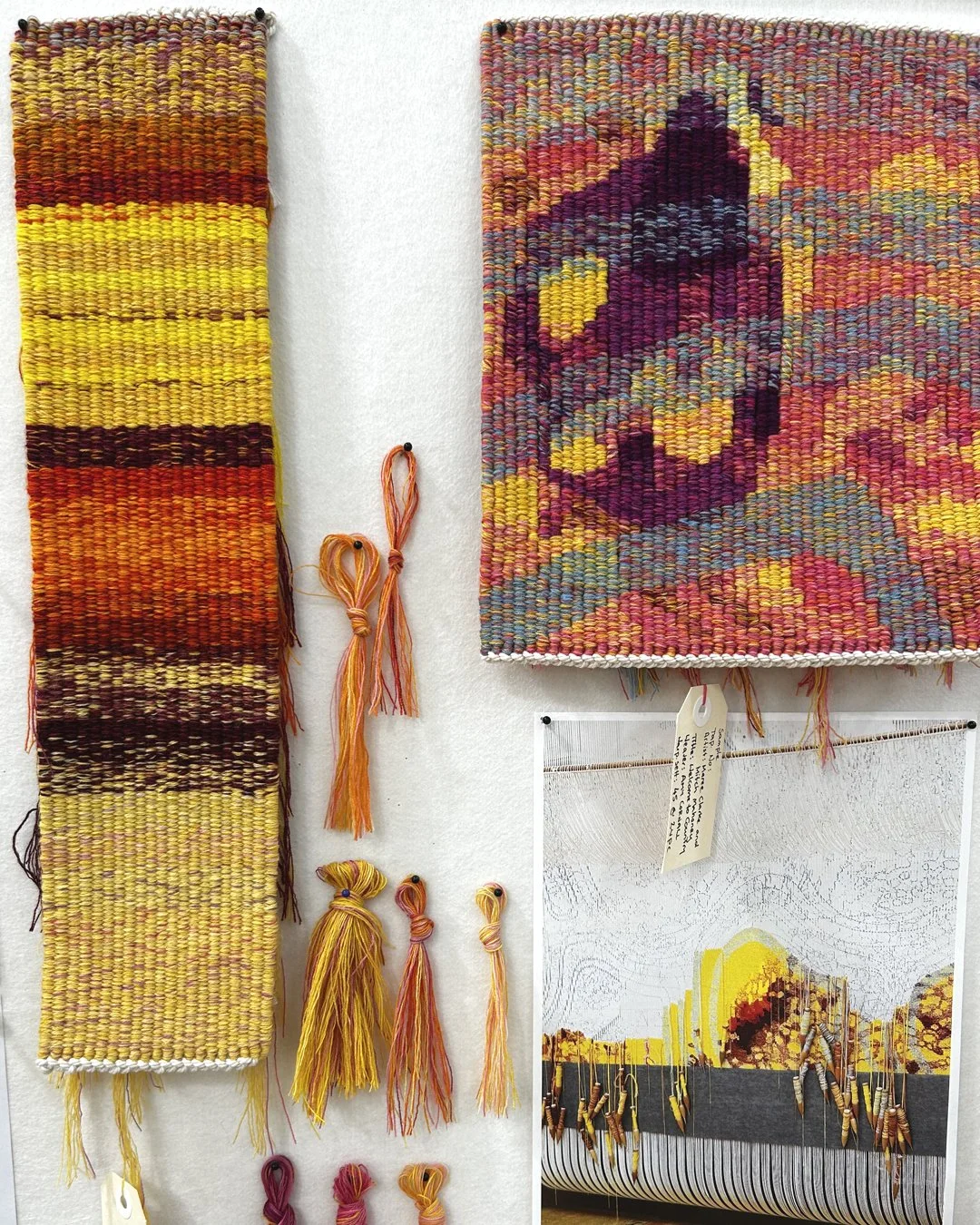
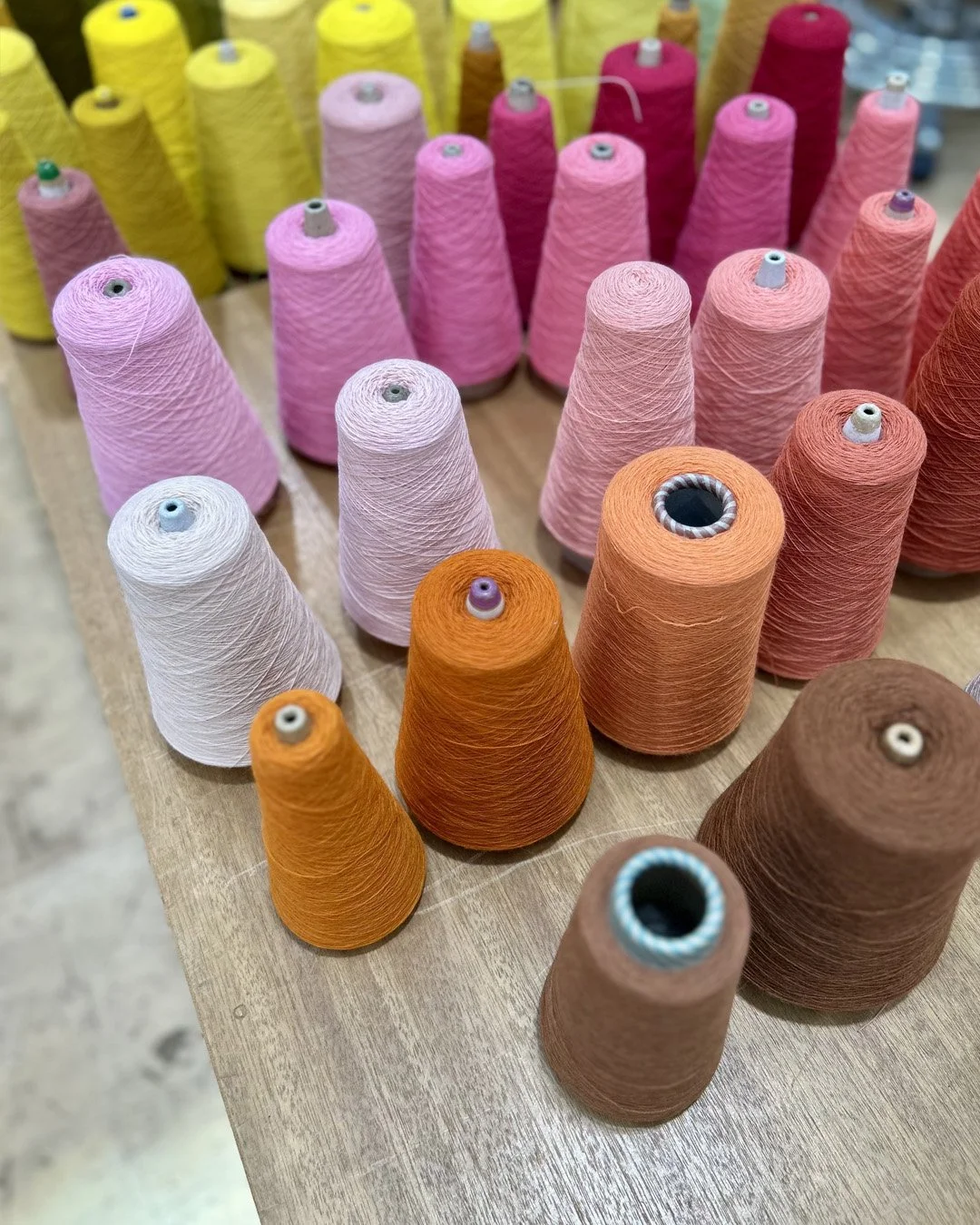
Even in the few conversations with weavers I’ve had so far, there have been multiple mentions of this, coupled with gentle warnings that what you can get away with in painting WILL NOT FLY in tapestry making.
Painting is infinitely flexible, very forgiving and extremely responsive. And you can just keep on layering paint on, painting out and scraping back until it all finally works (or you toss it…).
With the stitching, there is room for some degree of responsiveness, but much much less. The time-cost of a mistake, the time it takes to realise that something IS a mistake and to unpick and adjust is too great to make it a truly agile medium.
Tapestry is even LESS forgiving than stitching.
So, these weavers know how to get their house in order before they even touch the final tapestry. They know how to PREPARE. They have DISCIPLINE.
And tapestry weavers know how to do use all this to grapple with COLOUR.
And it is this: all the everything that has to happen BEFORE the tapestry making starts, to make sure that tapestry is going to work, that really fascinates me; the colour analysis, the blending of bobbins, the swatching, the different techniques for creating colours, the testing, the different methods of translating formal qualities…I feel like THIS is where I can learn the most.
This is where the (I think…) the impact is going to happen…
If I ever want to scale up my textile work (and I do, oh I DO…) I need to learn this.
Time to get me some tapestry-style discipline…
