
Irene Davies Tapestry Award (huzzah…!)
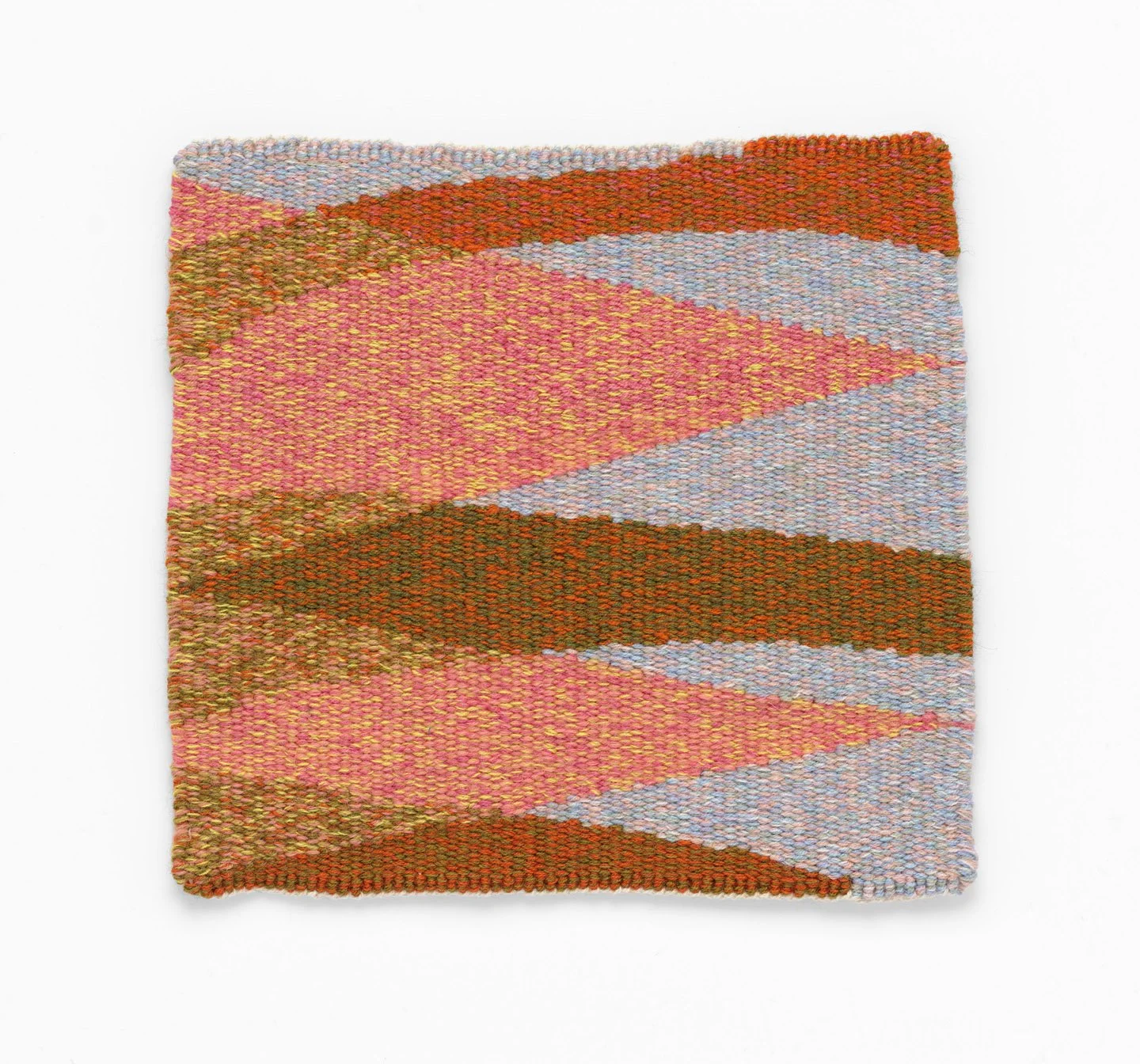
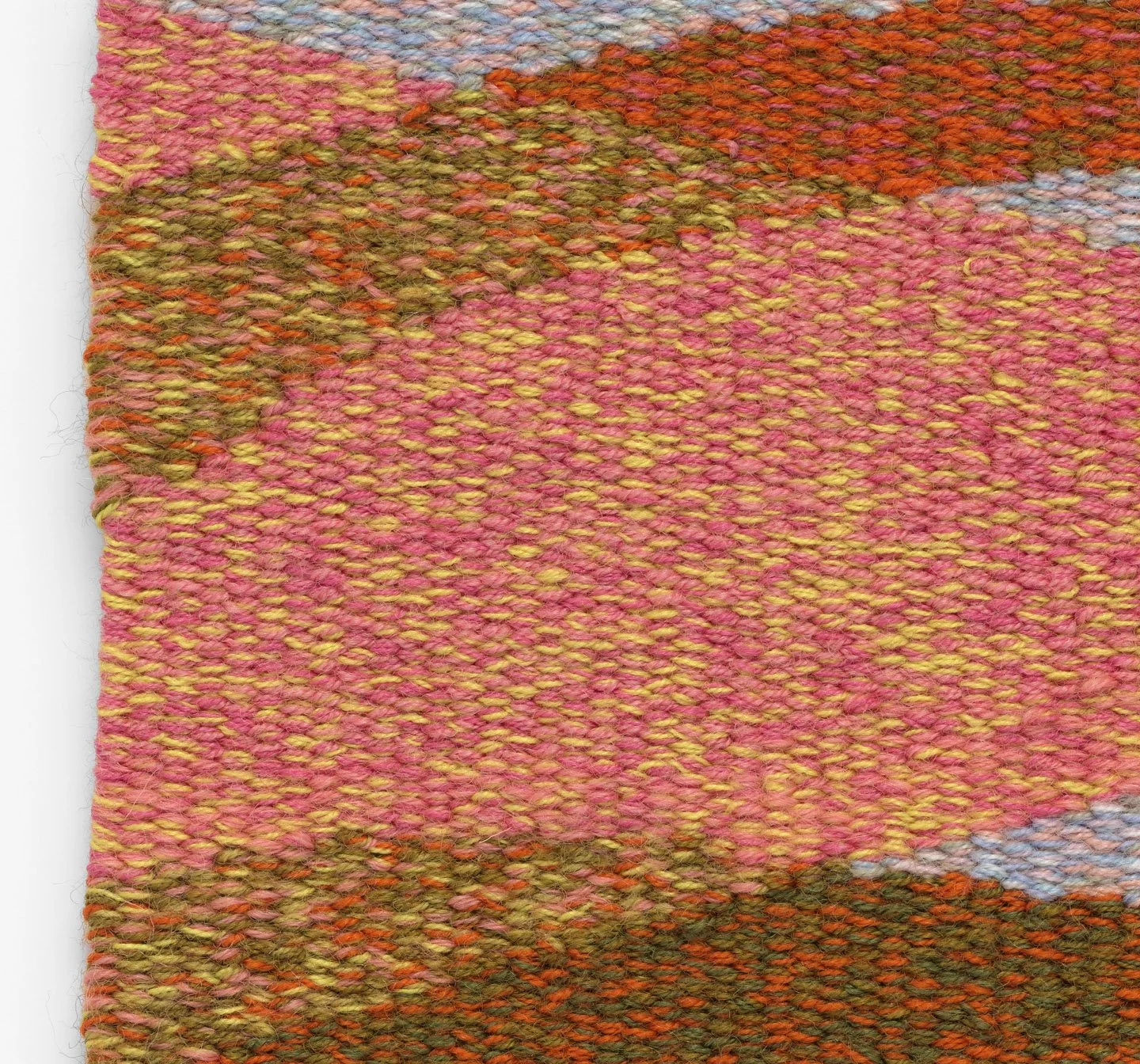
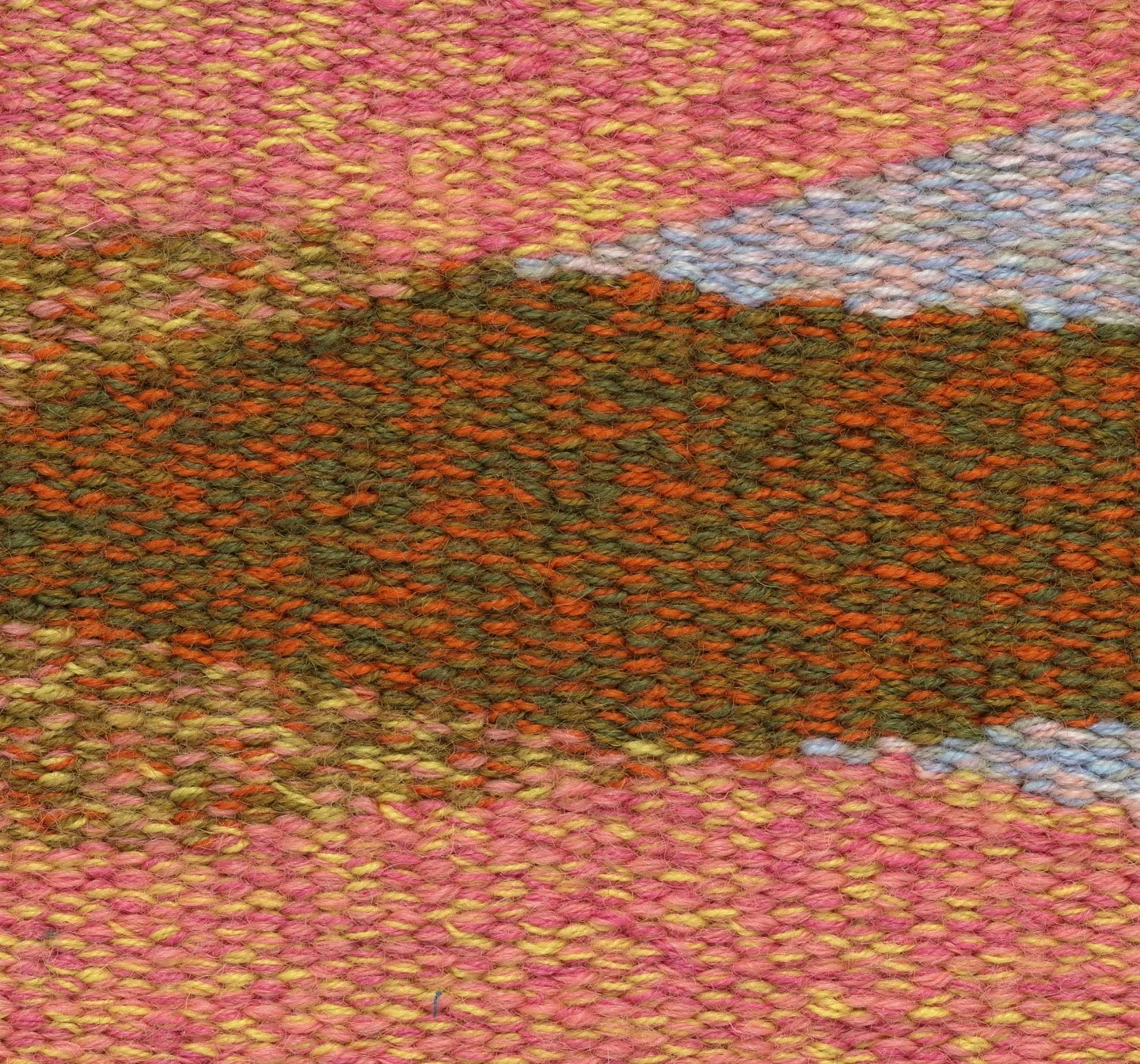
Fragment, sky/trees/light 2026, 21.5 × 20 cm, wool
Since my artist residency at the Australian Tapestry Workshop at the beginning of the year, I have been grappling (with equal measures of joy and frustration…) with tapestry.
It has been a STEEP learning curve - both in a technical sense; learning the tools, materials and techniques; and in a conceptual and systemic sense; wrapping my brain around the different methods of thinking that are required by tapestry.
So, with all of that, I am beyond thrilled to have my latest tapestry endeavour, Fragment, sky/trees/light shortlisted for the 2026 Irene Davies Tapestry Award.
Huzzah!
While lovely news like this triggers a momentary feeling of tiny triumph and that warm, dopamine-reward glow, I (always) want to draw attention to the process of getting here, the journey, the HOW, not just the final destination.
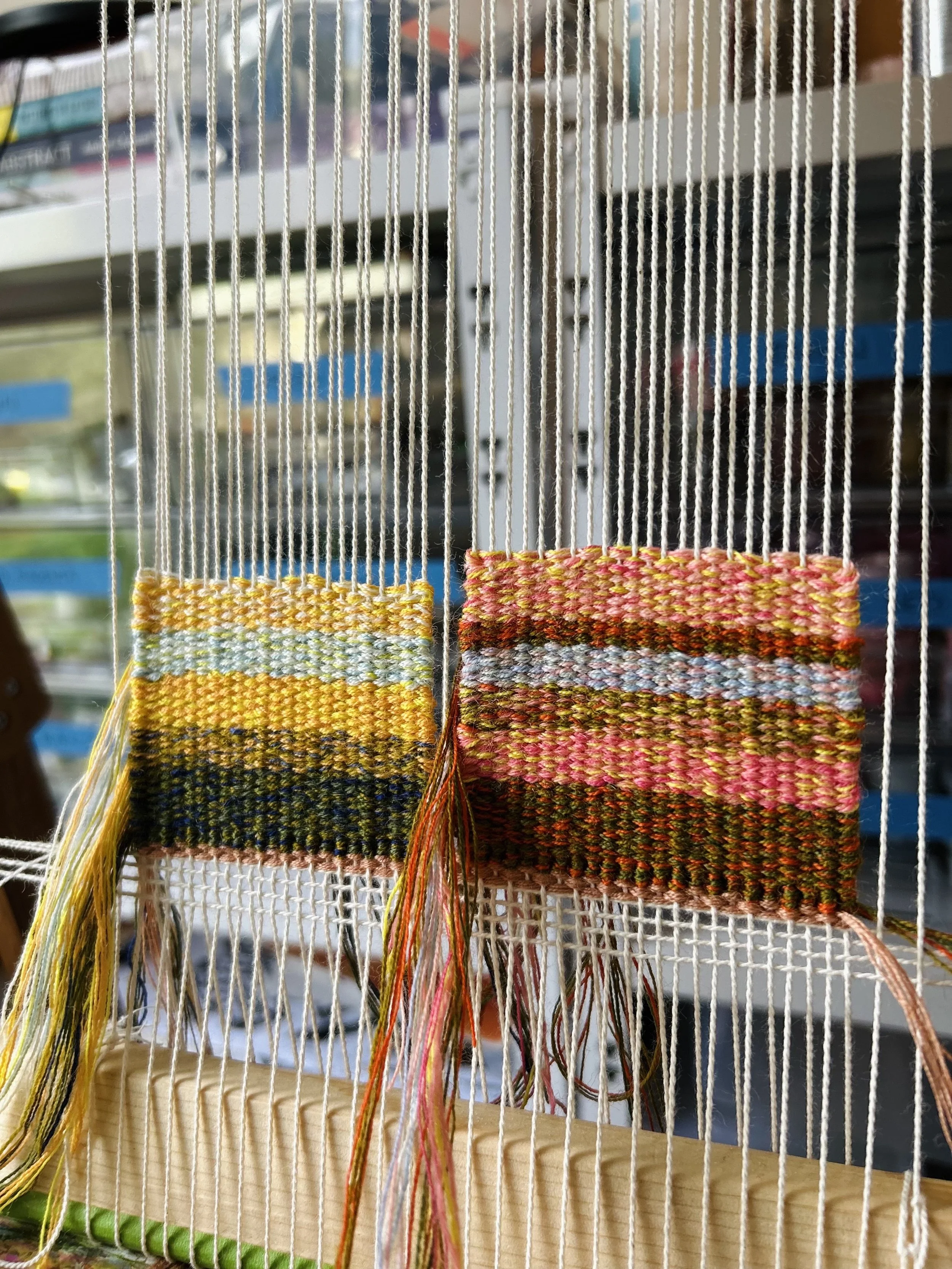
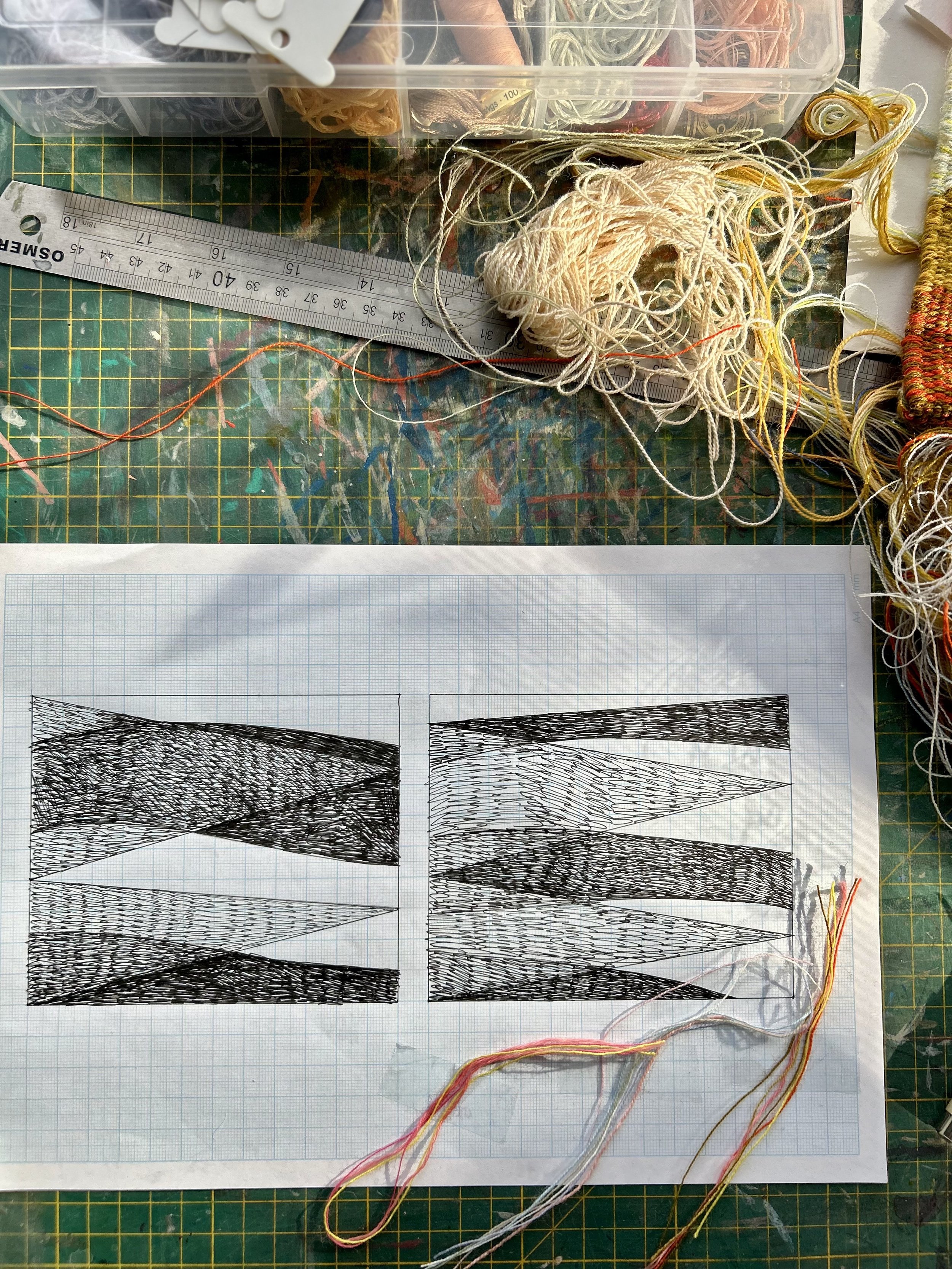
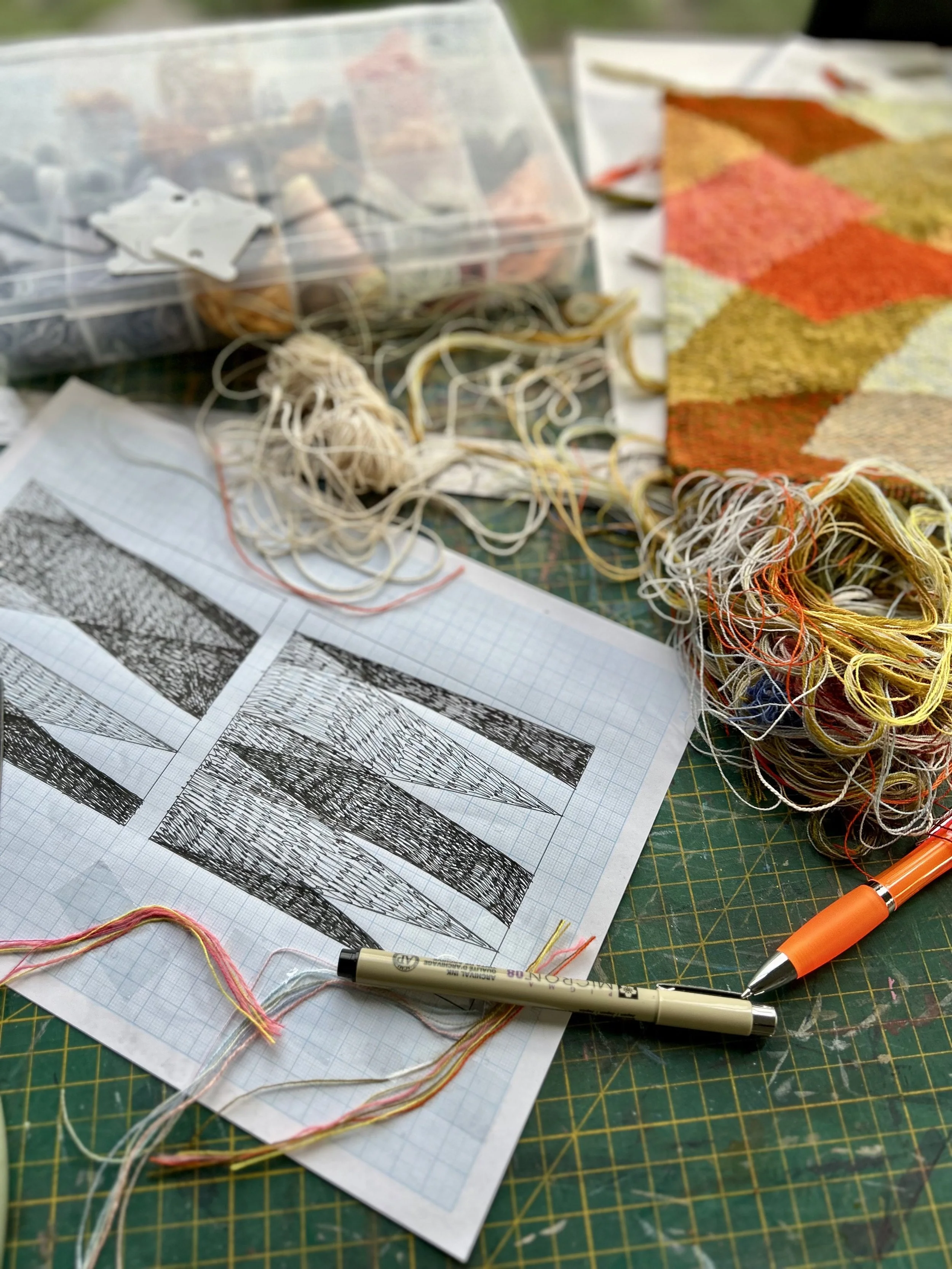
This is my seventh tapestry.
Some have been (much) better than others. The sixth tapestry I made (that old thing) I thought I was making as my entry for this award.
But, I struggled with it on multiple fronts.
I had to unweave half of it and start over to change the colours as I got the values all wrong. I got the tension of the warps wrong, which I could eventually fix, but it still sucked. I got the weft wrong, which meant the weft was too thick and the weave was too tight and it strained in places, and that was bad. I got the tension of my weaving wrong so that my selvedges pulled in and that made me sad.
I got ALL the things wrong.
(…well, the colours ended up pretty nice…I suppose…)
I finally finished that tapestry, but it was not good.
As an artist, you absolutely need to be accustomed to failure. To not just develop a taste for it, but to be able to use it as FUEL.
So…well-fuelled, I started over, and began again on this one.
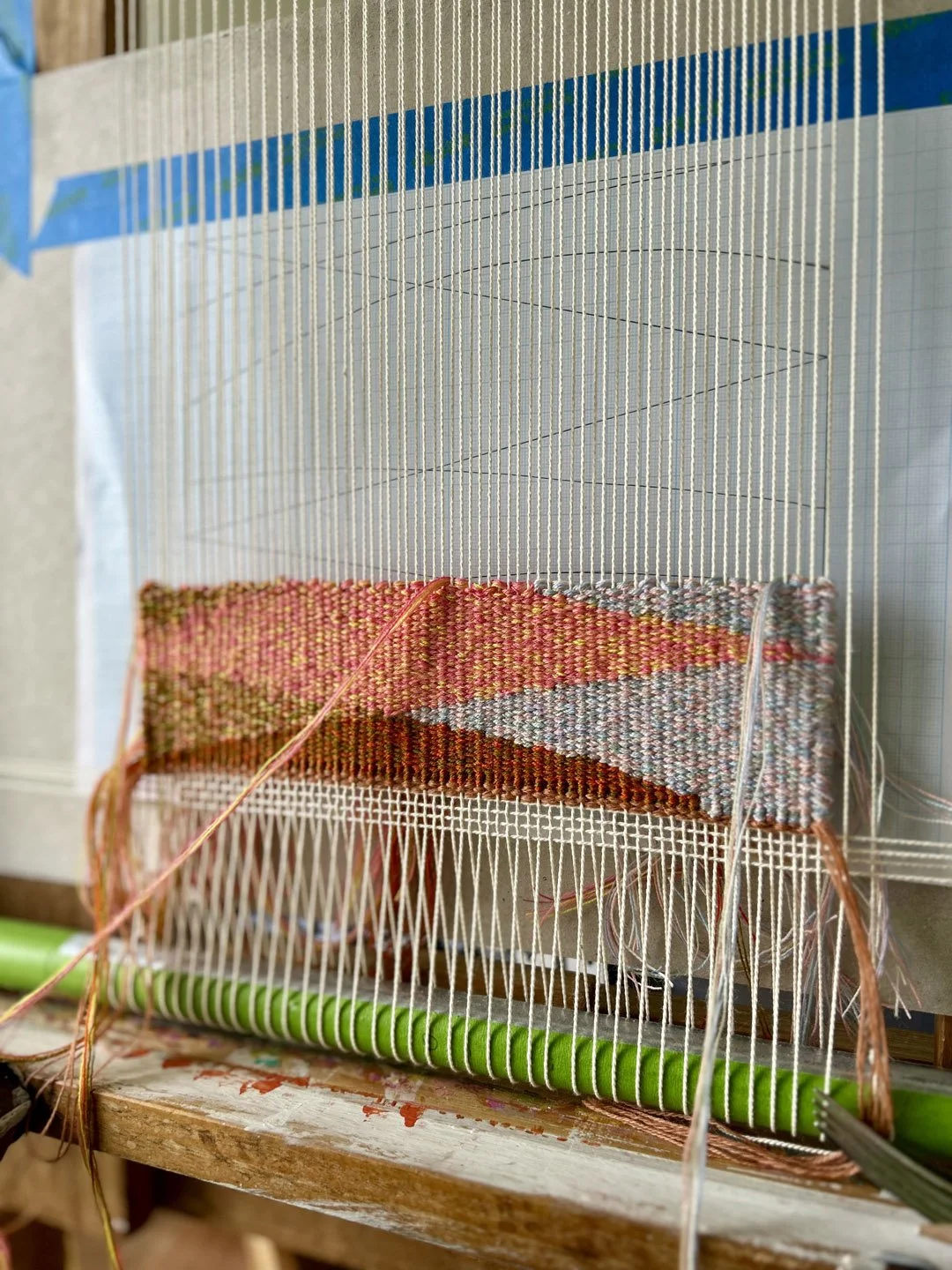
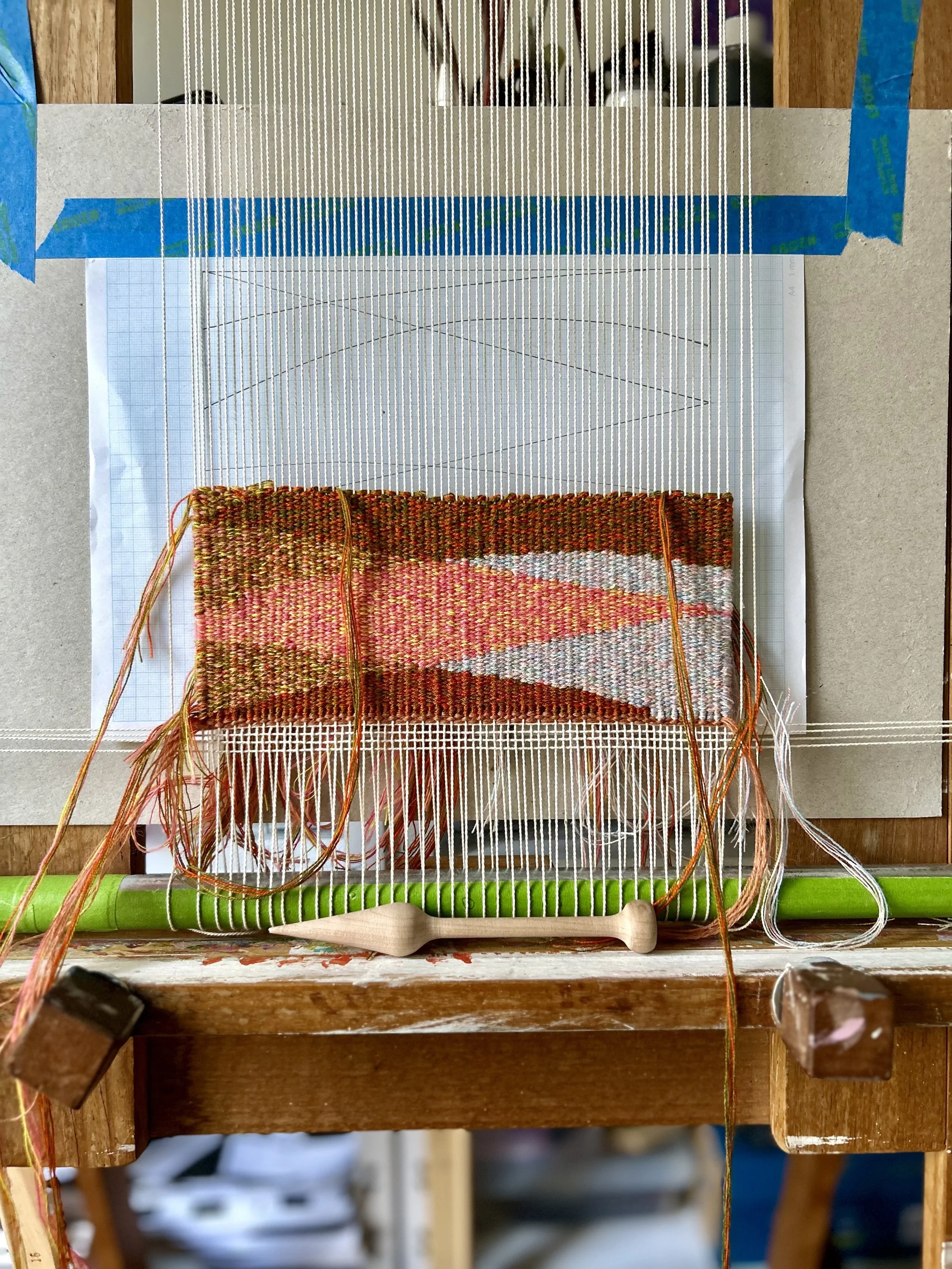
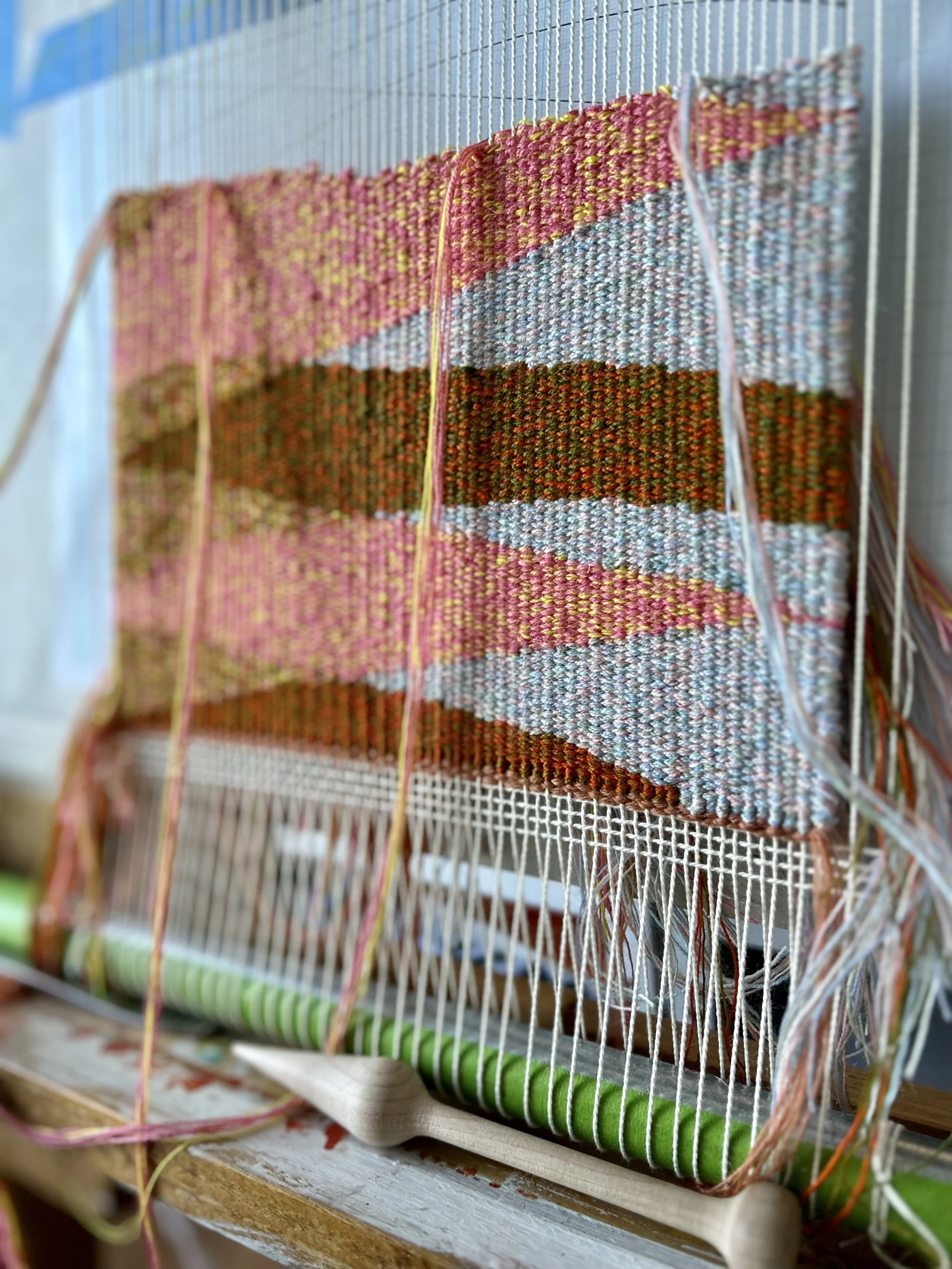
I started with better warp tension. Warping up my loom, I’m still learning how it FEELS to wind that warp just right to get that Goldilocks tension: evenly firm, but not too drum-tight, and definitely not loose or flappy.
With my new-ish, fancy galvanised pipe-loom (Bunnings special) I can also adjust the tension after warping and during weaving, which makes A LOT of difference (as it turns out….)
I adjusted those weft bundles . Not too many threads. Just right.
I was SUPER aware of tension as I went, making sure to allow enough weft to fill around the warps and not pull across.
I went SLOW (slow is smooth, smooth is fast). I kept an EAGLE EYE on those pesky selvedges, allowing plenty of give on those edge turns.
I used my newly appointed, trusty weft-beating fork (aka redeployed kitchen fork) to beat down that weft SO GOOD.
(Actually, I believe the fork is mostly responsible for the success of this one. Thanks fork…)
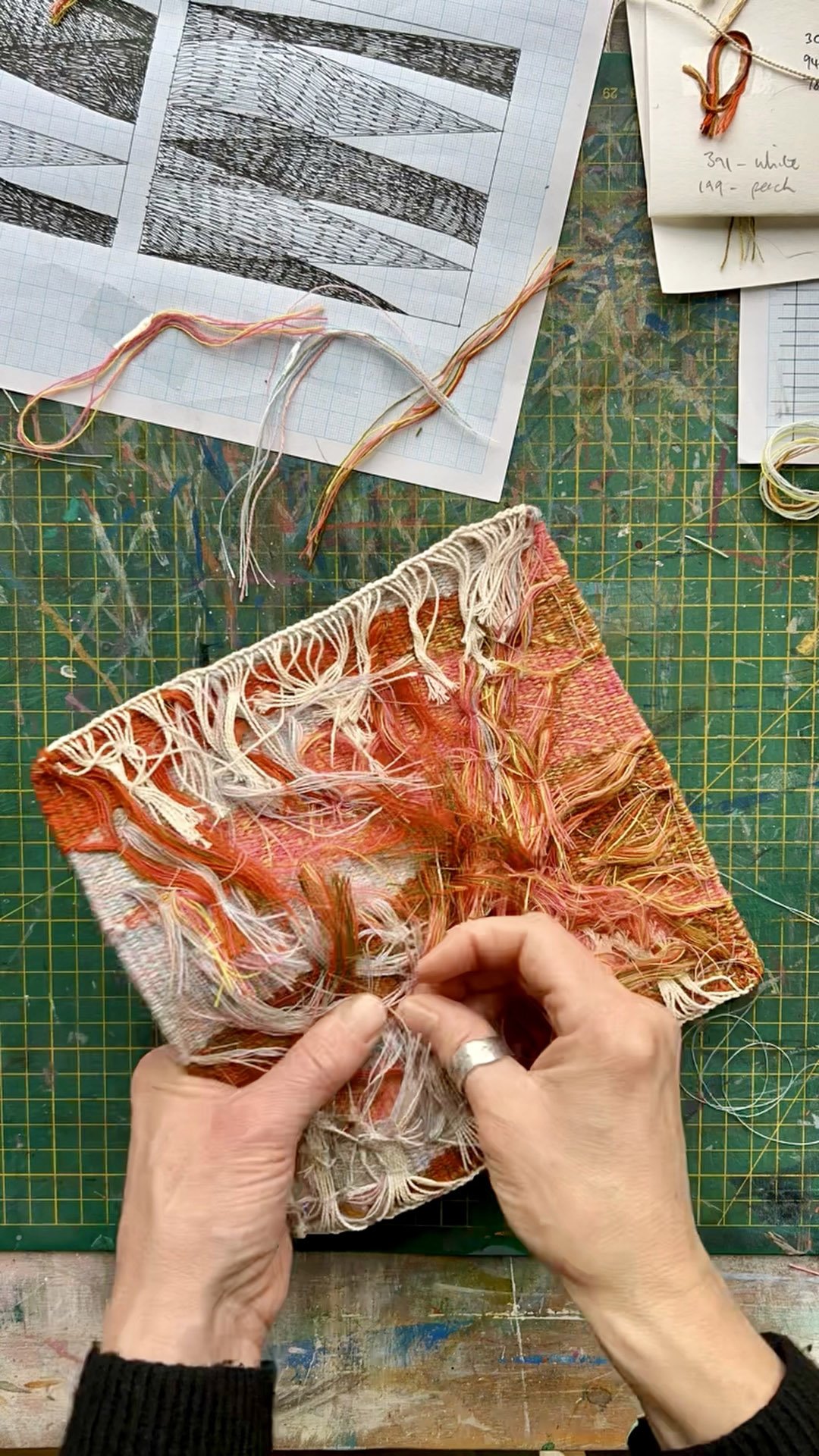
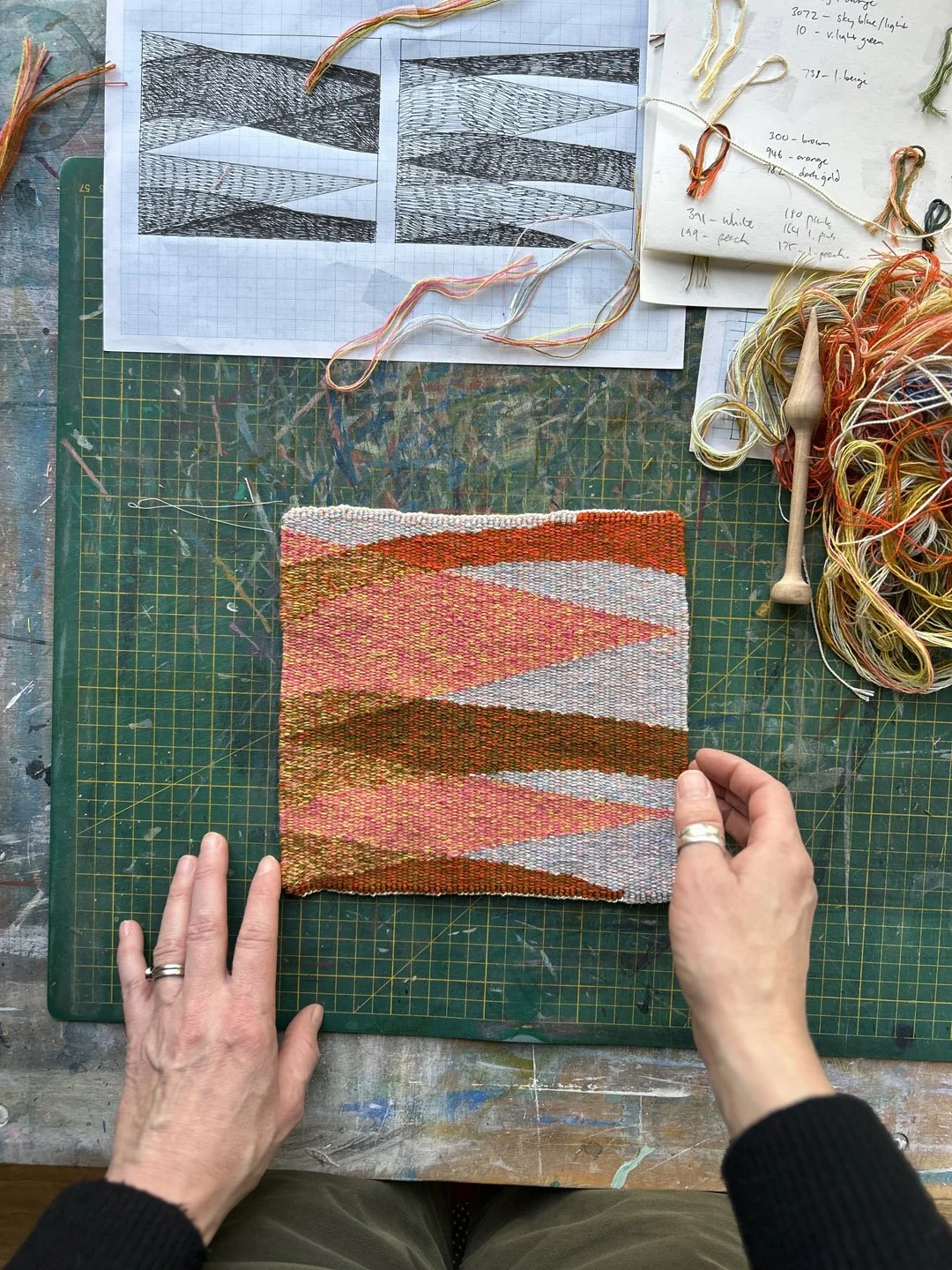
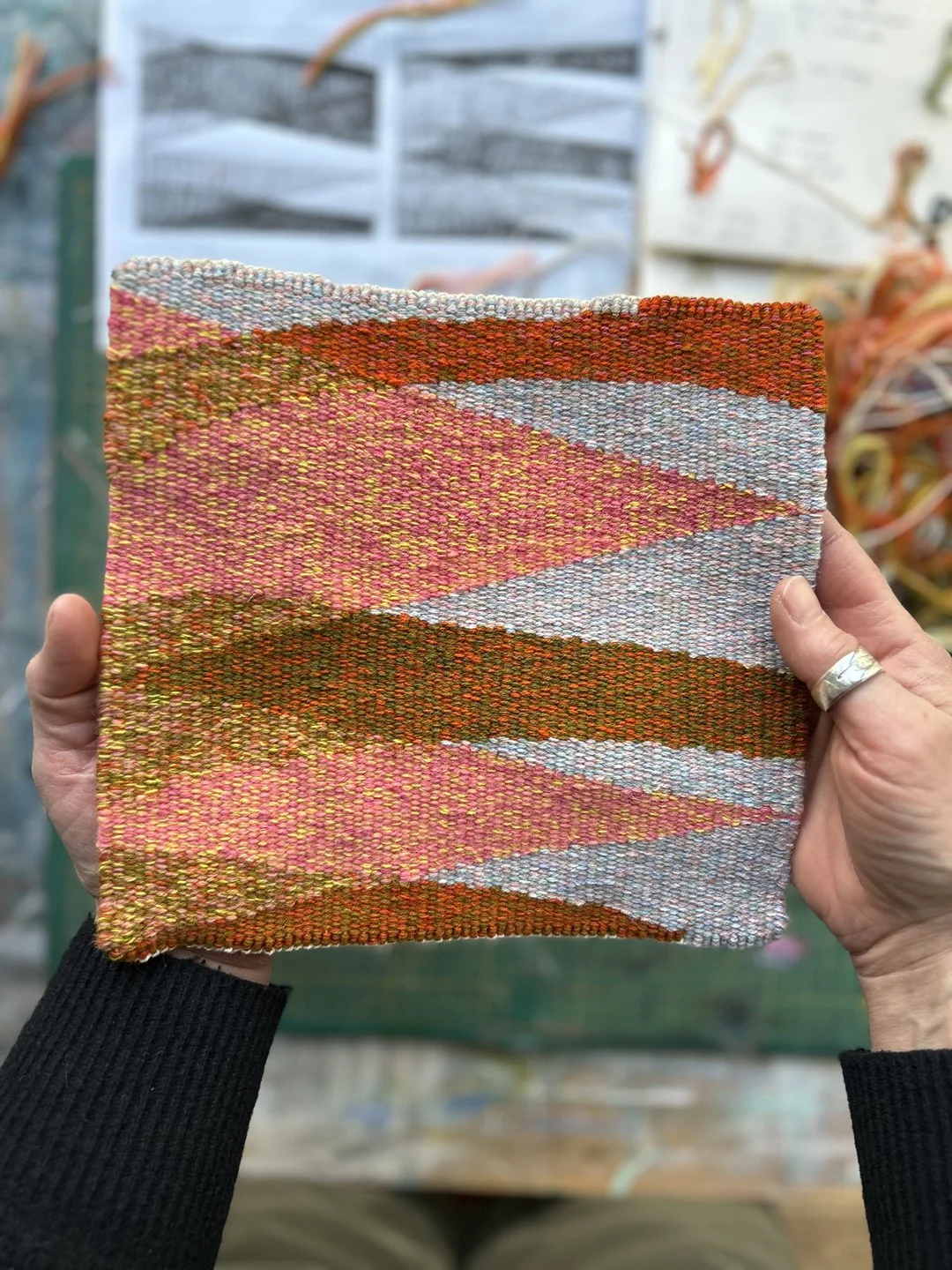
In the end, this tiny tapestry (while pretty unassuming) feels like the first intentional tapestry I’ve made. It feels like a proper tapestry.
I had a more clarity, a destination in mind when I started, I wasn’t just exploring or seeing what might happen ‘if’. I didn’t lose momentum (or stuff up…) halfway through.
Also, this is the first one that has really felt like it was made in my own language, but ALSO in the language of tapestry. I’m not working against the tapestry-ness, I’m working with it.
I am pretty proud of this one, it feels like both a meeting point and turning point in my tapestry practice.
NOW…the question is: where can I take tapestry (or where can it take me…) next…?
